Sunthai: A Modern Brush-Style Script for Stylish Design
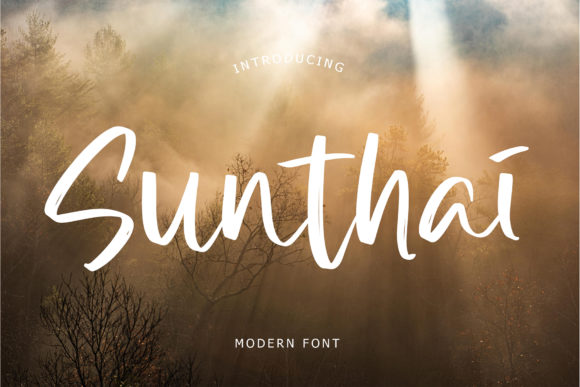
Sunthai is a modern script font that blends the elegance of brush calligraphy with the precision of digital typography. Its flowing, hand-drawn appearance makes it ideal for projects that require a personal, artistic touch. Unlike more rigid typefaces, Sunthai offers a dynamic and expressive look that can elevate any design from simple text to complex visual compositions.
What Makes Sunthai Unique?
Sunthai stands out due to its distinct brush-style characteristics. The font mimics the natural variation of a painter’s brush, with subtle strokes, curves, and flourishes that give it a humanized feel. This style is particularly effective for designs that aim to convey creativity, emotion, or a sense of individuality. Unlike many other script fonts, Sunthai maintains readability while still offering a visually striking presence.
Its versatility allows it to work well in both digital and print formats. Whether used in logos, invitations, or presentation slides, Sunthai adapts to different contexts without losing its core identity. The font also includes a range of stylistic alternates, enabling users to customize their designs further and achieve a more personalized outcome.
Comparing Sunthai to Other Script Fonts
When evaluating script fonts, designers often consider factors such as legibility, aesthetic appeal, and adaptability. Sunthai falls into a category of fonts that prioritize visual flair over strict formalism. While some script fonts may be more ornate or cursive, Sunthai strikes a balance between artistic expression and practical use.
For example, compared to more traditional cursive scripts like Brush Script or Zapfino, Sunthai has a cleaner, more modern appearance. It avoids the excessive embellishments found in some older styles, making it more suitable for contemporary design projects. At the same time, it retains the organic feel that distinguishes brush-style fonts from block or serif typefaces.
In contrast to sans-serif fonts, which offer a minimalist and clean look, Sunthai provides a more expressive alternative. It is not intended for body text but rather for headings, titles, or decorative elements where visual impact is key. This makes it an excellent choice for branding, marketing materials, and creative projects that benefit from a unique typographic voice.
Best Use Cases for Sunthai
Sunthai excels in applications where a personal or artistic touch is desired. One of its most common uses is in logo design, where its fluid lines and elegant curves can help create a memorable brand identity. For businesses looking to differentiate themselves, Sunthai offers a way to express creativity without sacrificing professionalism.
The font is also well-suited for invitations, whether for weddings, events, or formal gatherings. Its brush-style appearance adds a sense of warmth and sophistication, making it a popular choice for those who want to convey a refined aesthetic. When paired with complementary design elements, such as floral motifs or soft color palettes, Sunthai can enhance the overall visual appeal of an invitation.
Business cards and presentation slides are additional areas where Sunthai shines. In these contexts, the font can draw attention to key information while maintaining a cohesive and stylish look. However, it is important to use it sparingly, as excessive use may reduce readability and overwhelm the viewer.
Strengths and Limitations of Sunthai
One of Sunthai’s greatest strengths is its ability to add character and personality to a design. Its brush-like strokes make it ideal for projects that require a handmade or artisanal feel. Additionally, its availability in multiple weights and styles gives users flexibility when crafting different types of content.
However, Sunthai is not a one-size-fits-all solution. Its stylistic nature means it may not be appropriate for all design scenarios. For instance, in corporate or technical documents, where clarity and consistency are paramount, a more neutral typeface might be preferable. Similarly, in situations where large amounts of text need to be displayed, Sunthai’s intricate details could hinder readability.
Another consideration is the availability of high-quality versions. While Sunthai is widely used, the effectiveness of the font can depend on the quality of the digital file and the platform on which it is used. Users should ensure they have access to a reliable version of the font to maintain its intended visual impact.
When to Choose Sunthai and When to Consider Alternatives
Sunthai is a strong option when the goal is to create a visually engaging and expressive design. It is particularly beneficial for projects that aim to evoke emotion, highlight creativity, or stand out from standard typographic choices. For example, a small business owner looking to create a distinctive logo might find Sunthai to be an excellent fit.
However, there are situations where other fonts may be more appropriate. If the primary objective is clarity and efficiency, a sans-serif or serif font could be a better choice. For highly formal or professional settings, a more structured typeface may align better with the intended tone. In such cases, alternatives like Montserrat, Lato, or Georgia could serve the purpose more effectively.
Additionally, users should consider the target audience when selecting a font. What works well for a creative project may not resonate with a more conservative or traditional demographic. Testing different options and gathering feedback can help determine the best fit for a given context.
Practical Tips for Using Sunthai Effectively
To get the most out of Sunthai, it is essential to use it thoughtfully. Start by identifying the specific design goals and how the font can support them. For instance, if the goal is to create a bold headline, using Sunthai in a larger size with ample spacing can enhance its visual impact.
Pairing Sunthai with complementary typefaces can also improve its effectiveness. Combining it with a simpler, more readable font for body text can create a balanced and harmonious layout. This approach ensures that the design remains accessible while still benefiting from the artistic qualities of Sunthai.
Finally, experimenting with different colors, backgrounds, and layouts can help uncover new ways to utilize the font. By exploring various combinations, designers can discover how Sunthai can contribute to their creative vision while maintaining a professional and polished appearance.