Kaliffa: A Stylish Script Font for Elegant Design Workflows
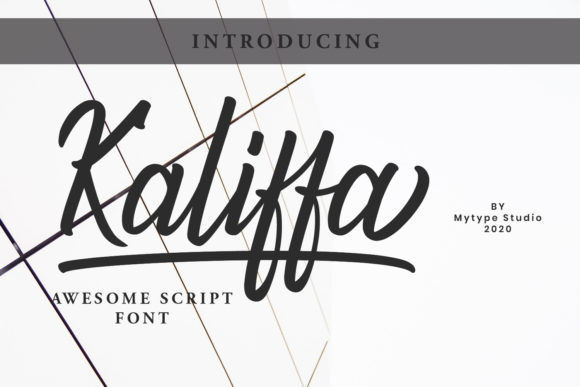
Kaliffa is a script font that blends elegance with a natural, handwritten aesthetic. Its flowing lines and refined structure make it ideal for projects that require a personal, artistic touch. Whether you're designing wedding invitations, creating logos, or crafting greeting cards, Kaliffa offers a versatile solution that enhances visual appeal without sacrificing readability.
Understanding how to integrate Kaliffa into your design process can significantly improve the quality and consistency of your work. From initial planning to final execution, this font plays a key role in shaping the tone and style of your designs.
Understanding Kaliffa in the Design Process
Kaliffa fits naturally into various stages of a design project. During the conceptual phase, it helps convey a sense of sophistication and creativity. When working on branding materials, for instance, using Kaliffa can reinforce a brand's identity by adding a unique, handwritten element that stands out from more rigid typefaces.
As part of the implementation stage, Kaliffa can be used alongside other design tools and assets. It pairs well with modern sans-serif fonts for contrast, or with decorative elements like borders and illustrations to create a cohesive visual theme. The font’s versatility makes it suitable for both digital and print media, ensuring consistent application across different formats.
Practical Use Cases for Kaliffa
One of the most common applications of Kaliffa is in wedding and event design. Couples often seek personalized touches for their invitations, and Kaliffa provides a refined, elegant option that feels authentic. It also works well for thank you cards, where a handwritten feel adds a personal and thoughtful element.
In business settings, Kaliffa can elevate the look of logos, business cards, and marketing materials. For small businesses or independent creators, using this font can help differentiate their brand from competitors while maintaining a professional appearance. It’s especially effective when paired with minimalist layouts that allow the font to take center stage.
For educators and content creators, Kaliffa can be used in presentations, worksheets, or social media graphics. Its legibility ensures that even in smaller sizes, the text remains clear and easy to read. This makes it a valuable tool for anyone looking to add a touch of class to their educational or creative content.
Integrating Kaliffa into Your Workflow
Before incorporating Kaliffa into your workflow, consider the context of your project. If you’re working on a design that requires a high level of detail, such as a custom logo or a multi-page document, ensure that the font scales well at different sizes. Testing it in various formats can help identify any potential issues early on.
When working with teams or clients, communicate the purpose of using Kaliffa. Explaining how it contributes to the overall design vision can help align expectations and ensure that everyone understands its role in the project. This is especially important when working on collaborative or client-facing projects.
For long-term use, keep track of where Kaliffa is applied. Maintaining a library of design assets that include this font can streamline future projects and reduce the need for rework. Organizing your fonts and templates in a centralized location also improves efficiency and consistency across different design tasks.
Best Practices for Using Kaliffa
To get the most out of Kaliffa, focus on balance and contrast. While the font has a strong visual presence, it should not overpower other elements in your design. Pairing it with simpler typefaces or neutral colors can help maintain visual harmony.
Another consideration is accessibility. Ensure that any text using Kaliffa is large enough to be easily readable, especially in digital formats. Avoid using it in body text for long paragraphs, as its ornate style may reduce legibility. Instead, use it for headings, titles, or short phrases where its aesthetic value is most impactful.
When working with multiple design platforms, check for font compatibility. Some software or devices may not support certain font styles, so it’s wise to have backup options or alternative fonts ready. This prevents last-minute adjustments that could disrupt your workflow.
Enhancing Creativity with Kaliffa
Kaliffa can also serve as a source of inspiration in the creative process. Its flowing form encourages a more organic approach to typography, which can lead to fresh ideas and new design directions. Experimenting with different layouts, spacing, and color combinations can help uncover unique ways to apply the font in your work.
For those who are new to typography, Kaliffa offers an accessible way to explore script fonts without overwhelming complexity. Its clean structure allows for easy customization, making it a great starting point for learning about handcrafted typefaces and their impact on visual storytelling.
Long-Term Value of Kaliffa
Investing in a font like Kaliffa can provide long-term benefits for both personal and professional use. Its timeless design ensures that it remains relevant across different trends and styles, reducing the need for frequent replacements. This makes it a cost-effective choice for designers and businesses looking for durable, high-quality assets.
Additionally, using a consistent font across multiple projects helps build brand recognition. When customers or audiences see the same visual style repeatedly, it reinforces their perception of your brand. Kaliffa’s distinctive character can become a signature element that sets your work apart.
Conclusion: Making Kaliffa Work for You
Kaliffa is more than just a font—it’s a tool that enhances the visual language of your designs. By understanding its strengths and limitations, you can integrate it effectively into your workflow and achieve polished, professional results. Whether you're working on a single project or building a broader design system, Kaliffa offers a stylish and elegant solution that supports a wide range of creative and practical needs.