Hansel: A Handmade Calligraphy Font for Creative Expression
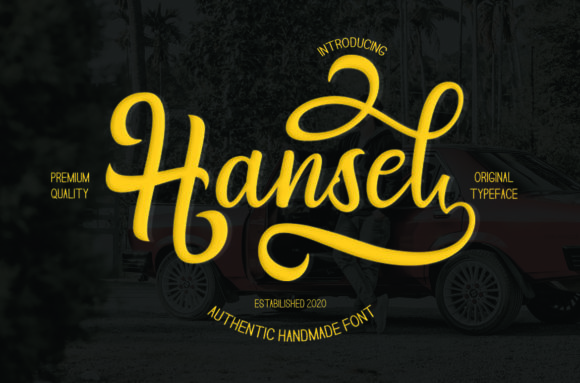
If you're looking for a font that brings a personal, artistic touch to your designs, Hansel is a standout choice. This modern script font features a handmade calligraphy style that adds warmth and character to any project. With its decorative characters and a dancing baseline, Hansel is more than just a typeface—it's a tool for creative expression.
What Makes Hansel Unique?
Hansel stands out because of its distinct visual personality. Unlike many digital fonts that feel uniform or static, Hansel has a lively, organic feel. The letterforms are crafted to resemble hand-drawn calligraphy, giving your text a more authentic, artisanal look. Whether you're designing a logo or creating a greeting card, Hansel can elevate the aesthetic of your work.
The font’s PUA encoding makes it easy to access all the glyphs and swashes without needing special software. This means you can experiment with different styles and variations directly within your design tools, making it a versatile option for both beginners and professionals.
Real-World Applications of Hansel
Hansel isn't just for decorative purposes—it's practical in a variety of real-world situations. For instance, if you're creating custom greeting cards, Hansel can add a personal, handwritten feel that feels more intimate than standard fonts. It works especially well for wedding invitations, thank-you notes, and birthday cards where a unique touch matters.
In branding, Hansel can help create a memorable identity. Businesses that want to convey creativity, craftsmanship, or a personal connection often use this font for logos, taglines, and marketing materials. Its flowing style can make a brand feel more approachable and artistic, which is great for boutique shops, creative studios, and independent designers.
For business cards, Hansel offers a refreshing alternative to traditional fonts. It can be used for names, titles, or contact information to make a lasting impression. The font's elegance and readability ensure that your contact details remain legible while still standing out from the crowd.
Who Benefits from Using Hansel?
Designers, artists, and small business owners often find value in Hansel. If you're working on a project that requires a personal or artistic flair, this font can be an essential part of your toolkit. It's also useful for educators or presenters who want to make their slides or handouts more visually engaging.
Freelancers and entrepreneurs may appreciate how Hansel can differentiate their work. In industries like fashion, interior design, or event planning, where aesthetics play a key role, using a font like Hansel can help convey professionalism and creativity simultaneously.
Even non-designers can benefit from Hansel. If you're creating a DIY project, such as a custom sign or a handmade book, this font can add a polished, professional look without requiring advanced design skills.
Scenarios Where Hansel Shines
Consider using Hansel when you want to add a sense of movement or energy to your text. For example, in poster designs, it can draw attention and create visual interest. It works well for promotional materials, event flyers, or social media graphics where bold, expressive typography is needed.
In quotes or motivational posters, Hansel can bring a sense of grace and fluidity to the message. Its flowing lines make it ideal for capturing the essence of a quote in a way that feels natural and elegant.
When designing packaging, Hansel can help create a unique brand identity. It can be used for product names, slogans, or labels to make your packaging stand out on the shelf. The font’s decorative elements add a level of sophistication that can appeal to a wide range of audiences.
Things to Consider Before Using Hansel
While Hansel is beautiful, it's important to consider its readability. Because of its decorative nature, it may not be the best choice for long blocks of text. It works best for short phrases, headlines, or decorative elements rather than body copy.
Also, keep in mind that the font’s PUA encoding allows for full access to all glyphs and swashes, but this may require some familiarity with design software. If you're new to typography, you might need to spend a little time exploring the font's features to get the most out of it.
Finally, think about the context in which you'll use Hansel. While it's perfect for creative projects, it may not be suitable for formal or corporate settings where a more traditional font would be expected. Always match the font to the tone and purpose of your design.
Strengths and Limitations of Hansel
Hansel's greatest strength is its ability to add personality and charm to any design. Its handmade feel makes it ideal for projects that require a personal touch. The font's versatility across different mediums—like print, digital, and packaging—makes it a valuable addition to any designer's collection.
However, its decorative style may not suit every project. In cases where clarity and simplicity are more important, Hansel could be too ornate. Additionally, users who aren't familiar with PUA encoding may need to do some research to fully utilize all the font's features.
Despite these limitations, Hansel remains a powerful tool for those who want to infuse their work with creativity and individuality. Its unique characteristics make it a go-to choice for anyone looking to add a touch of artistry to their designs.