Custom Craft: A Versatile Handwritten Font for Modern Design
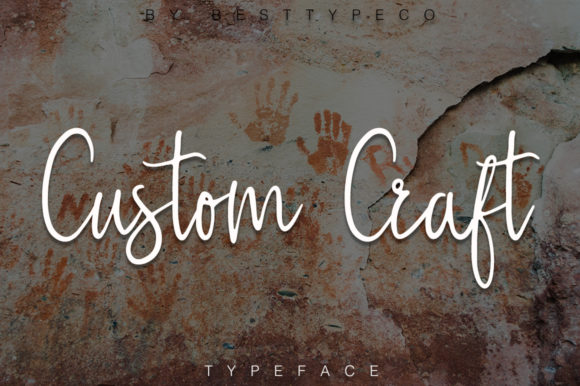
Custom Craft is a handwritten font that blends traditional calligraphic elements with a modern aesthetic. Its elegant, flowing strokes make it ideal for a wide range of design applications. Whether you're creating greeting cards, branding materials, or digital content, Custom Craft offers a unique visual identity that feels both refined and approachable.
What Makes Custom Craft Distinct?
Unlike many generic handwritten fonts, Custom Craft maintains a level of sophistication that sets it apart. It retains the organic feel of hand-drawn lettering while ensuring readability and consistency across different sizes and formats. This balance makes it suitable for both large-scale projects and smaller, more intimate designs.
The font’s structure allows for flexibility in use. Its curves and lines are not overly ornate, which helps it remain legible in various contexts. This adaptability means it can work well in both print and digital environments without losing its character.
Comparing Custom Craft to Similar Fonts
When considering handwritten fonts, designers often look at options like Brush Script, Lobster, or Great Vibes. Each of these has its own strengths, but Custom Craft offers a middle ground between the casual, freehand style of some alternatives and the more structured appearance of others.
For example, Brush Script is known for its fluid, brush-like strokes, which can be highly expressive but may not always work in formal settings. Custom Craft, on the other hand, provides a more polished look that still feels personal. It’s less dramatic than Great Vibes, which leans heavily into a vintage, decorative style, and more versatile than Lobster, which tends to be more playful and less suited for professional use.
Best Use Cases for Custom Craft
Custom Craft excels in situations where a personal touch is needed without sacrificing professionalism. It’s particularly well-suited for branding that aims to convey creativity and authenticity. For instance, a small business looking to establish a unique identity might use Custom Craft for their logo or website headings.
In the realm of print design, Custom Craft can elevate the look of business cards, wedding invitations, or packaging. Its clean yet expressive style adds a sense of warmth that can differentiate a brand from more rigid, standard fonts. It also works well in posters or signage where a humanized, artistic element is desired.
Strengths of Custom Craft
- Readability: Despite its handwritten nature, Custom Craft remains easy to read at various sizes.
- Versatility: Suitable for both formal and informal projects.
- Modern Aesthetic: Combines traditional calligraphy with a fresh, contemporary look.
Limitations and Tradeoffs
- Less Expressive Than Some Alternatives: While it offers a balanced style, it may not provide the same level of artistic flair as more stylized fonts.
- Not Ideal for Large Blocks of Text: Due to its decorative nature, it’s best used for headlines, short phrases, or key visual elements rather than extended paragraphs.
- Dependent on Context: The effectiveness of Custom Craft can vary depending on the overall design and intended audience.
When Custom Craft Is the Right Choice
Custom Craft is an excellent choice when the goal is to add a touch of personality to a design while maintaining a professional tone. It’s especially effective in industries that value creativity, such as fashion, art, or lifestyle branding. For example, a boutique clothing line might use Custom Craft for their taglines or product labels to emphasize craftsmanship and individuality.
It’s also a good option for designers who want to avoid the overused look of more common handwritten fonts. By using Custom Craft, they can create a unique visual identity that stands out without appearing too unconventional.
When to Consider Other Options
If the project requires a more extreme stylistic statement, other fonts may be more appropriate. For instance, a highly decorative or vintage-style design might benefit from a font like French Script or Cinzel Decorative. These fonts offer a stronger visual impact but may not be as adaptable in more mainstream applications.
Similarly, if the primary focus is on clarity and minimalism, a sans-serif or serif font could be a better fit. In such cases, the simplicity of these styles may enhance the overall message rather than distract from it.
Practical Examples of Custom Craft in Action
Consider a digital marketing campaign for a new coffee shop. Using Custom Craft for the headline could give the brand a warm, inviting feel that aligns with the café’s atmosphere. At the same time, the font’s readability ensures that the message remains clear and accessible.
Another example is a wedding invitation. Custom Craft can add a personal, artisanal quality to the design, making the event feel more meaningful and crafted by hand. However, it’s important to pair it with complementary elements, such as a simpler body font, to maintain balance and legibility.
Conclusion: Custom Craft as a Thoughtful Design Tool
Custom Craft is a valuable asset for designers seeking a handwritten font that balances elegance with practicality. Its ability to blend traditional influences with a modern sensibility makes it a flexible choice for a variety of projects. While it may not be the best fit for every situation, it offers a compelling alternative to more generic or overly stylized options.
Ultimately, the decision to use Custom Craft depends on the specific needs of the project and the desired visual outcome. By understanding its strengths and limitations, designers can make informed choices that enhance their creative work without compromising clarity or effectiveness.